
Greek yogurt: which one should you buy?

Updated: Oct 9

Greek yogurt has become a staple in many people's fridges, but the options can be confusing.
Full-fat, 0%, 5%, 10%, Greek-style, high-protein...so what's actually the difference?
Contents
1. What actually is Greek yogurt?
When you stand in front of the yogurt aisle, it can be surprisingly difficult to work out what you're actually buying.
Greek yogurt. Greek-style yogurt. 0% Greek yogurt. Full-fat Greek yogurt. High-protein Greek yogurt.
Some are thick and creamy, some are almost dessert-like, and the nutritional values can vary considerably.

So what does “Greek” actually mean?
Traditional Greek yogurt is made by straining yogurt to remove some of the whey, giving it its characteristic thick, creamy texture.
Straining can also concentrate the protein compared with natural yogurt.
What is ‘Greek style’ yogurt?
In the UK, there's an important distinction between ‘Greek yogurt’ and ‘Greek-style yogurt’.
The High Court actually ruled that a product labelled 'Greek yogurt' must be made in Greece, whereas 'Greek-style yogurt' can be made elsewhere.

But that doesn't automatically make Greek-style yogurt a poorer nutritional choice.
Some ‘Greek-style’ yogurts are also strained and can have a very similar nutritional profile to Greek yogurt.
Others achieve their thick texture in different ways, using ingredients such as milk powder, milk proteins or thickeners.
‘Greek-style’ isn't always a bad thing.
Brands such as Rachel’s Organic, Yeo Valley, Tims Dairy, M&S and Onken all offer 'Greek Style' Yogurt.

With ranges of around 3.6-5.6g of protein per 100g, if getting more protein from your yogurt is your priority, these yogurts may not be for you.
But it depends what you’re looking for. You might prefer its taste or texture, want an organic product or simply want to enjoy it as part of your usual diet.
We'll look at other alternatives to Greek yogurt later in this blog.
What makes ‘Greek yogurt’ different from ‘natural yogurt’?
Natural yogurt and Greek yogurt are both made by fermenting milk with yogurt cultures, but Greek yogurt is typically strained after fermentation, removing some of the whey and giving it its characteristic thick, creamy texture.
Because the water-containing whey is removed, the remaining yogurt can have a higher concentration of nutrients such as protein per 100g.
However, not all Greek yogurts contain the same amount of protein.
A full-fat Greek yoghurt, a 0% Greek yoghurt and a high-protein ‘Greek-style’ yogurt can have quite different nutritional profiles.
You might want a higher-protein option, a creamy full-fat yogurt, something lower in calories, a good source of calcium, or simply a yogurt you genuinely enjoy eating.
And that's what we'll look at next.

2. What are the potential benefits of Greek yogurt?
What makes Greek yogurt useful is that it can provide several nutrients in one relatively simple food: protein, calcium, fat (depending on the variety), and other nutrients naturally found in dairy.
Protein
Greek yogurt can be a convenient way of adding protein to a meal or snack.
Protein contributes to the maintenance of muscle and bones and also tends to make meals and snacks more satisfying.
The amount varies considerably between products though, so check the nutrition label rather than assuming all Greek yogurt is high in protein.
Calcium
Dairy yogurt can make a useful contribution to your calcium intake.
Calcium is important for maintaining normal bones and teeth, and this becomes particularly relevant as we get older.
We'll look at calcium in more detail later, including how much you actually get from different Greek yogurts.
It’s great for your gut health
Yogurt is made using bacterial cultures, and some yogurts contain live cultures that remain in the finished product. You'll often see this mentioned on the packaging as ‘live cultures’ or ‘live yogurt’.
Gut health is however influenced by much more than whether you eat a pot of yogurt!
The overall pattern of your diet, particularly the variety of plant foods and the amount of fibre you eat, matters too.
And not every yogurt product is the same. If live cultures are something you're specifically looking for, check the packaging rather than assuming that every Greek or Greek-style yoghurt will contain them in the same way.
I've written more about the relationship between food, fibre, the gut microbiome and gut health on my blog if you'd like to explore this in more detail.

Versatility
Greek yoghurt can work in both sweet and savoury food, making it an easy way to add protein and/or dairy to meals without needing to prepare something complicated.
Less added sugar (if you choose plain yogurt)
Plain Greek yoghurt contains naturally occurring lactose, so it isn't completely sugar-free.
But an unsweetened yoghurt doesn't have the added sugars that you can find in many flavoured or dessert-style yoghurt products.
If you're comparing products, look at the ‘of which sugars’ figure as well as the ingredients list.
3. Greek yogurt and protein: how much do you actually get?
Some Greek yogurts are excellent sources of protein, others contain considerably less.
And the difference can be surprisingly big when you look at the amount you actually eat.

Why is protein important?
Protein is needed for many functions in the body, including the growth and maintenance of muscle and the maintenance of normal bones.
If you work out in the gym, lift weights, do resistance training or are working specifically on building or maintaining muscle, you'll probably already be familiar with the importance of getting enough protein.

But protein isn't just for people who are trying to build bigger muscles.
As we get older, making sure our diet contains adequate protein becomes increasingly important because maintaining muscle mass is an important part of healthy ageing.
Greek yoghurt can be a particularly convenient way to add protein because it requires virtually no preparation. It can turn a piece of fruit into a more substantial snack, add protein to breakfast, or form part of a meal.
It's also an easy option after a workout if you're looking for something that provides protein without needing to cook a full meal.
But there's an important distinction between ‘contains protein’ and a ‘high-protein choice’.
How much protein is in Greek yogurt?
This is where you need to turn the pot around!
The protein content of Greek yogurt varies considerably between brands and products, so don't assume that every tub labelled Greek yogurt will provide the same amount.
For example, you might find products providing around 4g of protein per 100g, while others provide 9–10g or more per 100g.

That difference becomes much more meaningful when you consider a realistic portion.
So if you normally eat a 200g bowl of yogurt, choosing a yogurt containing 10g protein per 100g gives you 20g of protein.
Choose one containing 4g per 100g and that same-sized bowl provides just 8g.
That's quite a difference.
What about ‘high-protein’ Greek yogurt?
You'll also come across products specifically marketed as high-protein yogurt.
These can be useful if increasing your protein intake is your priority, but don't assume that ‘high protein’ automatically means ‘healthiest’.
Look at the whole nutritional picture: protein, calories, fat, sugar, calcium and the ingredients like artificial sweeteners.
The label gives you the information. You get to decide what matters most to you.

4. Full-fat 10%, low-fat 5% or 0% Greek yogurt: which should you choose?
This is probably where Greek yogurt shopping gets unnecessarily complicated.
Walk into a supermarket and you'll find Greek yogurt with 0% fat, 2%, 5%, 10% and everything in between.
Then there are products described as low-fat, reduced-fat, full-fat and high-protein.
So which one should you buy?
The short answer is: there isn't one answer that applies to everyone.
The amount of fat changes the yogurt's calories, texture and taste, but it doesn't automatically determine whether the yogurt is a better or worse choice.
What does the fat percentage actually mean?
When a yogurt is labelled 0% fat, it means virtually all the milk fat has been removed.
A full-fat Greek yogurt retains considerably more of the milk's natural fat. This generally gives it a richer, creamier texture and makes it more energy-dense.
You might therefore see quite a substantial difference in calories between a 0% and full-fat 10% yogurt, even when the portion size is exactly the same.
But fewer calories doesn't automatically make a food more nutritious, just as more calories doesn't automatically make it less nutritious.
0% Greek yoghurt
A 0% Greek yoghurt can be a useful option if you want a lower-calorie, higher-protein food.
Some 0% Greek yoghurts are particularly high in protein, which can make them useful at breakfast or as a snack.

However, products vary. Some can taste quite sharp or less creamy than their full-fat counterparts, and some products marketed as low-fat or fat-free may contain other ingredients to alter the texture or flavour.
So, once again, read the label rather than making assumptions based on the fat percentage alone.
Full-fat 10% Greek yogurt
Full-fat Greek yogurt is richer, creamier and generally higher in calories.
That isn't something you necessarily need to avoid.

If you enjoy it, find it satisfying and it fits comfortably into your overall diet, there's no reason to assume that choosing full-fat automatically makes your diet less healthy.
It can also make some meals more enjoyable, and enjoyment matters when you're trying to build eating habits you can actually maintain.
Does the fat make you feel fuller?
You may hear that full-fat 10% Greek yogurt is automatically more filling than 0% yogurt.
Fat can contribute to satiety, but protein, portion size, fibre and what you eat alongside the yogurt also matter.
What about calories?
If you're comparing yogurt products, calories can be useful information, particularly if you're deliberately managing your calorie intake.
But don't make calories the only number you look at.
A yogurt providing 100 calories isn't automatically a better choice than one providing 150 calories. You need to consider what you're getting for those calories (protein, calcium, fat and other nutrients) as well as what you're eating with it.
And remember that your portion matters.
A yogurt containing 100 calories per 100g becomes a 200-calorie serving if you eat 200g.
So should you choose 0% or full-fat 10%?
Choose the one that fits your needs and goals and that you actually enjoy eating.
If you want a high-protein, lower-calorie option, a 0% Greek yoghurt may work particularly well.
If you prefer a creamy, rich yoghurt and the additional calories fit comfortably into your diet, full-fat may be exactly what you want.
And there is a whole range in between.
The useful question is what the whole product looks like and how it fits into the meal you're making.
5. What are the alternatives to Greek yogurt?
Greek yoghurt isn't the only option if you're looking for something thick, creamy and versatile.
Walk into a supermarket yoghurt aisle now and you'll find Greek-style yogurt, Skyr, Kefir, Quark, natural yogurt, high-protein products and an ever-growing range of plant-based alternatives.

They can look very similar in the fridge, but their nutritional profiles can be quite different.
So rather than assuming one category is automatically better, it makes sense to ask what you're actually looking for.
'Greek-style' yoghurt
We've already established that Greek-style doesn't automatically mean inferior to Greek yogurt. It's simply a different category, and the nutritional value depends on how the individual product is made.
For example, Rachel's Organic Greek Style Natural Yoghurt contains around 3.6g of protein per 100g. That's considerably less than some of the high-protein Greek yoghurts and Skyr products you'll find alongside it.
Does that make it a poor choice? No.
It may be a good option if you like its taste and texture, want an organic product, or simply aren't choosing yoghurt primarily for its protein content.
This is a good example of why I don't think there's much value in labelling a yoghurt “good” or “bad” based on one number.
If protein is a priority for you, however, the number on the nutrition panel is worth knowing.
Skyr
Skyr is an Icelandic cultured dairy product that you'll usually find sitting alongside the yogurts in the supermarket.

There's a slightly surprising technical detail here: Skyr is traditionally classified as a fresh cheese rather than a yogurt, although it is made from cultured milk and is eaten in much the same ways as yoghurt.
From a practical point of view, what matters to most of us is that Skyr is typically thick, creamy and relatively high in protein, often with very little fat.
That makes it an interesting option if you're looking for a high-protein breakfast or snack without much fat. But, as always, check the individual product rather than relying on the name.
Flavoured versions of Skyr can have a quite different nutritional profile from plain Skyr.
If you like the taste and texture, there's no reason it can't sit alongside Greek yogurt in your fridge.
Quark
Quark is another fresh dairy product, again a soft cheese, that's worth knowing about. It's soft, thick and mild, and can be used in many of the same ways as Greek yoghurt.

It's often relatively high in protein and low in fat, although the exact nutritional profile varies between products.
You can use it in breakfast bowls, baking, dips and desserts, or simply eat it with fruit.
It tends to have a slightly different texture and flavour from Greek yogurt, so this is one where personal preference really does matter.
Kefir and kefir yogurt
Kefir is a fermented dairy food made using milk and a naturally occurring collection of bacteria, yeasts and other microorganisms called kefir ‘grains’.
You'll commonly see it sold as a drink, but there are also thicker kefir-based products that sit much more comfortably in the yoghurt category.

And don't assume that kefir means low protein.
For example, Biotiful's kefir yogurt range includes a product providing around 12g of protein per 100g, which puts it firmly into the high-protein category.
Natural yogurt
Sometimes the simplest option is still a very good one.
Natural yogurt is made by fermenting milk with yogurt cultures but hasn't gone through the same straining process that gives Greek yogurt its characteristic thickness.

It tends to be thinner and its protein content can be lower than Greek yogurt, but that doesn't make it nutritionally inferior.
It can be a particularly useful option if you prefer a lighter texture or want something that pours easily into smoothies, sauces or recipes.
As with everything else in this article, check the nutrition label rather than making assumptions based on the name.
What about dairy-free yogurt?
If you don't eat dairy, there are plenty of plant-based alternatives, including products made from soya, coconut, oats, almonds and other ingredients.
These can be perfectly good foods in their own right, but they aren't necessarily nutritionally equivalent to dairy yogurt.
Take coconut yogurt, for example. A product such as Coconut Collaborative can be a delicious alternative if you enjoy its creamy texture and flavour, but coconut-based products are generally much lower in protein than a high-protein Greek yogurt (although there are higher protein versions available)

Calcium can vary too. Some plant-based products are fortified with calcium, while others aren't, so it's worth checking the label if you're relying on your yoghurt as a source of calcium.
The same applies to protein.
If you're replacing a Greek yogurt that provides 8–10g of protein per 100g with a plant-based alternative containing very little protein, that is a nutritional change worth being aware of.
It doesn't mean you shouldn't choose the plant-based option. It simply means don't assume that all yoghurt alternatives are interchangeable.
What about flavoured and sweetened yogurts?
It's easy to think of yogurt as one type of food, but the supermarket yogurt aisle tells a very different story.
Alongside plain natural and Greek yogurts, you'll find an enormous range of fruit-flavoured, sweetened, dessert-style and yogurt-and-topping products like Müller Corner, fruit yogurts, chocolate or caramel varieties, and products with separate biscuits, chocolate pieces or crunchy toppings.

These aren't necessarily foods you need to avoid. But they can be quite different nutritionally from a plain Greek yogurt.
The first thing to look at is sugars.
Plain yogurt contains naturally occurring lactose, so the number on the nutrition panel isn't necessarily the amount of added sugar.
Flavoured yogurts can contain additional sugars or sweeteners.
What about artificial sweeteners?
You'll also find sweeteners in some reduced-sugar, ‘light’ or high-protein yogurt products. These might include sweeteners such as sucralose, acesulfame K or steviol glycosides.
Whether you choose a product containing sweeteners is ultimately a matter of personal choice.
Some people prefer them because they reduce the amount of sugar; others don't like the taste or would rather have a product without them.
If you enjoy flavoured yogurt, there's no need to turn it into a forbidden food.
But if you're eating yogurt regularly and want it to contribute protein and calcium without adding much sugar, a plain yoghurt gives you considerably more control over what you add to it yourself.
For example, you can start with a plain Greek yogurt and add berries, banana, cinnamon, nuts, seeds or a little honey or maple syrup if you want sweetness.

So which should you choose?
There really isn't one answer!
If you're looking for protein, Skyr, Quark, Greek yogurt and some kefir or high-protein products can all be useful options.
If you want a richer, creamier yogurt, a full-fat Greek or Greek-style yogurt may be more appealing.
If you're interested in fermented foods and live cultures, kefir products may be worth exploring.
If you don't eat dairy, look particularly closely at protein and calcium, as these can vary considerably between plant-based alternatives.
And if your main consideration is simply “Which one will I actually enjoy eating?”, that's a perfectly valid consideration too.
6. How much calcium is in Greek yogurt?
If you're choosing Greek yogurt as part of your everyday diet, calcium is worth paying attention to.
Calcium is needed for the maintenance of normal bones and teeth, as well as normal muscle function and normal neurotransmission. Dairy foods, including yogurt, can be a useful source of calcium.

And this is particularly relevant during perimenopause and menopause, when maintaining bone health becomes an increasingly important part of looking after your long-term health.
How much calcium do we need?
In the UK, the recommended daily intake of calcium for adults according to the NHS is 700mg per day.
The Association of UK Dieticians however recommend 1200mg a day for 'women following the menopause and men over 55'.
Is Greek yogurt a good source of calcium?
It can be but, just as with protein, the amount varies between products.
I've included calcium in the supermarket comparison later on in this blog (where the information was available), rather than simply assuming that all Greek yogurts are nutritionally interchangeable.
Check the nutrition information for calcium per 100g, where it is provided.
Then consider how much yogurt you actually eat.
For example, if a yogurt contains 150mg of calcium per 100g and you eat 200g, that's 300mg of calcium from the yogurt alone.
That's a substantial contribution towards your daily intake.
Does 0% Greek yogurt contain less calcium?
Not necessarily.
This is an important point because people sometimes assume that removing the fat from milk must also remove its calcium.
Calcium and fat are separate components of milk, so a reduced-fat or fat-free yoghurt can still provide plenty of calcium.
However, processing and formulation differ between products, so again, check the actual nutrition information rather than making assumptions based on whether the yogurt is full-fat or 0%.
Greek yogurt doesn't have to be your only source of calcium.
Other dietary sources include:
milk and other dairy foods
cheese
calcium-fortified plant-based drinks and alternatives
some fish where the edible bones are eaten, such as sardines
calcium-containing foods such as tofu and some green vegetables
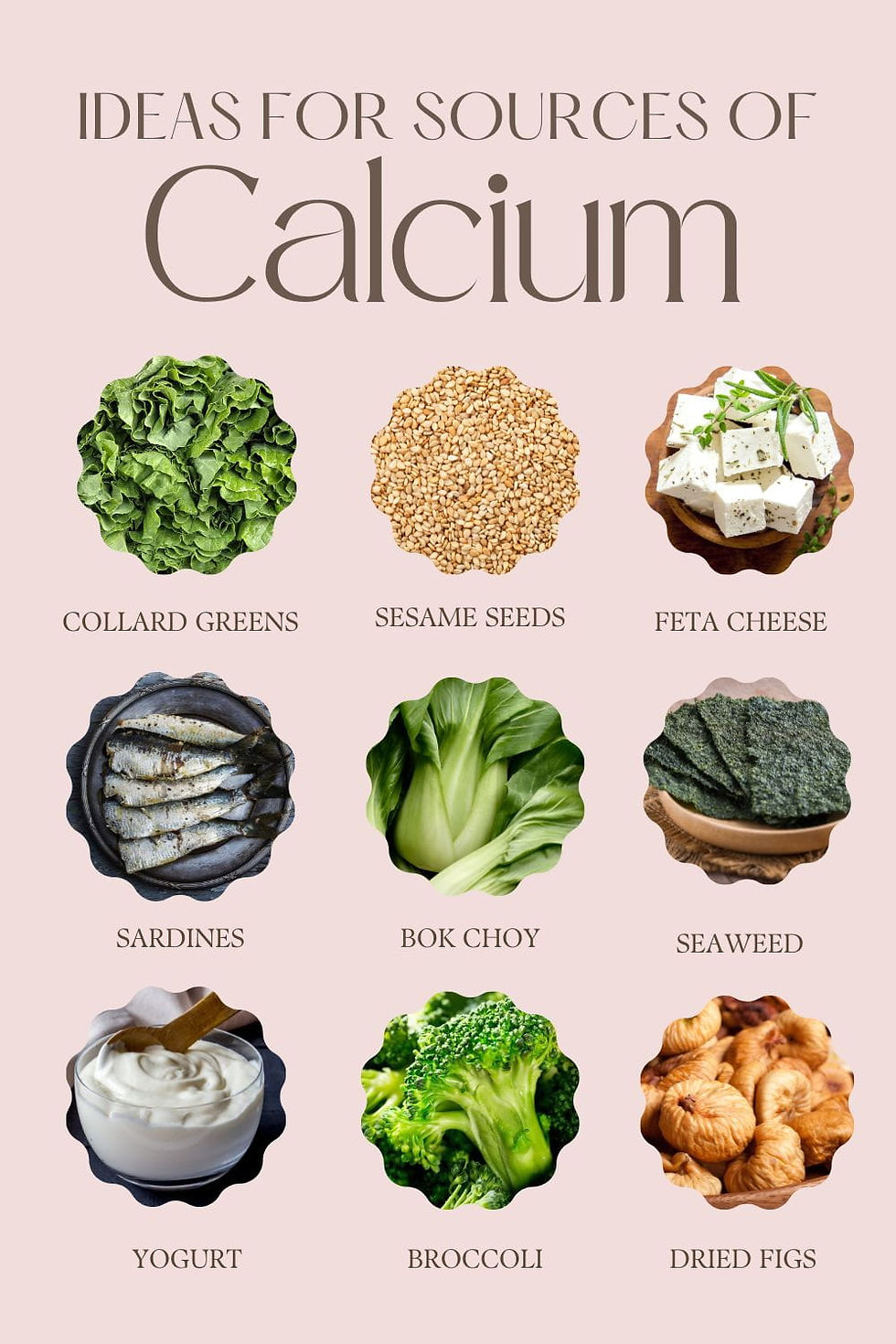
So if you don't eat dairy, or simply don't enjoy yogurt, there are plenty of other ways to get calcium into your diet.
And if you're using Greek yogurt regularly, it can simply be one convenient contributor to your overall calcium intake.
The menopause connection
This is one of the reasons Greek yogurt fits so naturally into a menopause-focused nutrition article.
I'm not suggesting that eating Greek yogurt will prevent osteoporosis or that it's a ‘menopause superfood’.
But a plain Greek yogurt can provide protein and calcium in one convenient food, and those nutrients form part of a dietary pattern that supports muscle and bone health.
For more information on my 5 Menopause Health Foundations, read my blog:

7. Which Greek yogurt is best? My UK supermarket comparison
I’m comparing a selection of products available in UK supermarkets to see how they differ in protein, fat, calories, calcium, ingredients and price.
Disclaimer - please note that while I have taken every care to make sure the product information displayed here (and taken from the manufacturers own products) is correct as at September 2026, product recipes are regularly changed. This may affect nutrition and allergen information therefore you should always check product labels and not rely solely on the information presented here.
The Greek yogurts I tested
Aldi


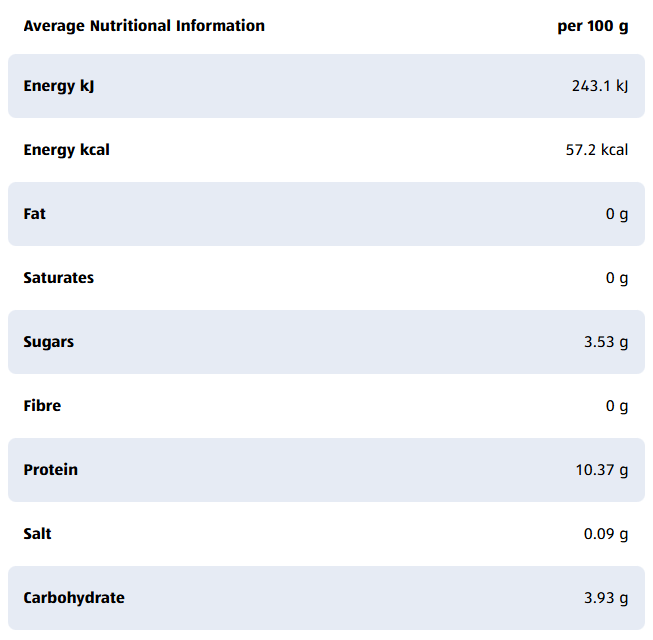
Tesco

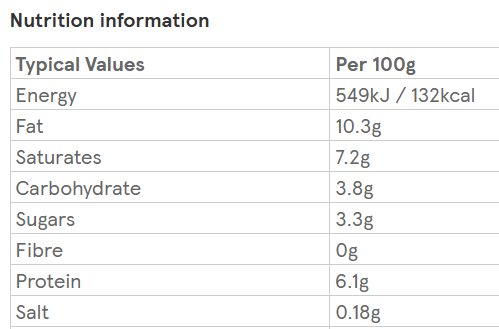


Sainsbury's


M&S


Asda


FAGE


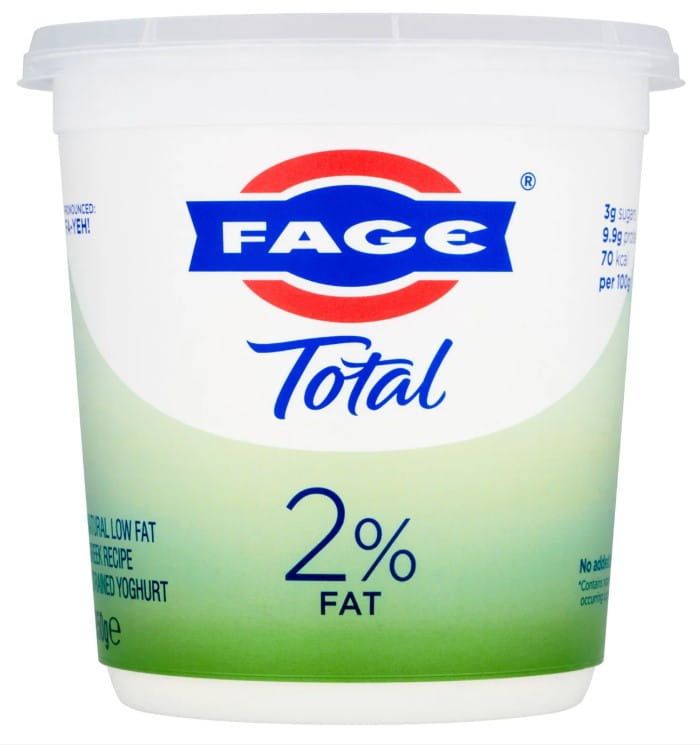

Odysea


Rachel’s Organic

Yeo Valley


The Coconut Collab


Danone Skyr


Arla Skyr


Siggi’s Skyr


Biotiful Kefir


Lindahls Quark


Graham's Quark


My takeaway
Ingredients differ substantially!
Look at the label. Compare the protein. Check the fat and calories. Look at calcium. Read the ingredients. Consider the price.
And, importantly, choose something you actually like eating!
8. Greek yogurt recipes: sweet and savoury ideas
One of the reasons Greek yogurt earns a regular place in my fridge is that it's not just a breakfast food.
Once you've found a yogurt you like, there are lots of ways to use it which makes it easier to add protein and other nutrients to meals without having to completely rethink what you're eating.
At breakfast
Greek yogurt is an easy base for a filling breakfast.
Try it with:
berries or other fruit
oats
nuts and seeds
cinnamon
nut butter
a small amount of granola
Overnight oats are another easy option.
Greek yogurt can add creaminess as well as protein, alongside oats, milk and whatever fruit or flavourings you like.
I have a free overnight oats recipe here on my blog:

As a snack
If you're hungry between meals, there's no need to make it complicated.
Greek yogurt + fruit + something crunchy can be enough.

In dips and dressings
Greek yogurt isn't just for sweet dishes.
Try using it as the base for:
garlic and herb dip
tzatziki
cucumber and mint dip
lemon and herb dressing
a creamy salad dressing
You can often use Greek yogurt to create a creamy texture without relying entirely on mayonnaise or cream.

In sauces
A spoonful of Greek yogurt can also be stirred through savoury dishes to add creaminess.
It works particularly well with:
curries
chilli
roasted vegetables
grain bowls
baked potatoes
If you're adding yogurt to a hot dish, avoid boiling it aggressively, as it can split. Stirring it through towards the end of cooking generally gives you a better result.
In baking and pancakes
Greek yogurt can add moisture and tenderness to some baking recipes and works particularly well in pancakes and breakfast bakes.
It's also useful when you want to make a recipe a little more substantial without relying solely on butter or oil.

Greek yogurt recipe ideas
My Menopause Recipe Book and 28-day Meal Plan is packed with simple, satisfying recipes designed to make healthy eating feel practical rather than complicated, with plenty of protein, fibre and healthy fats along the way!
From easy breakfasts and snacks to lunches and dinners, these are recipes you can actually fit into real life.

9. Greek yogurt FAQs
Is Greek yogurt high in protein?
Some Greek yogurts are high in protein, but the amount varies considerably between products.
Check the protein per 100g on the nutrition label rather than assuming that every product labelled Greek yogurt contains the same amount.
Is full-fat 10% Greek yogurt better than 0%?
Neither is automatically ‘better’.
Full-fat Greek yogurt is richer and higher in calories, while 0% yogurt is lower in fat and calories and can still provide plenty of protein.
The best choice depends on your preferences, dietary needs and how the yogurt fits into your overall diet.
Does Greek yogurt contain calcium?
Yes, Greek yogurt can be a useful source of calcium, although the amount varies between products.
Check the nutrition information if calcium is something you're specifically trying to increase.
What is the difference between Greek yogurt and Greek-style yogurt?
Greek yogurt is made in Greece, while Greek-style yogurt is made elsewhere.
Greek-style yogurt can be made using straining or other methods to produce a thick texture, so its nutritional value varies.
Check the ingredients and nutrition information rather than assuming Greek-style means inferior.
How many calories are in Greek yogurt?
It depends on the product and its fat content.
0% Greek yogurt will generally contain fewer calories than full-fat Greek yogurt, but there can also be differences between brands.
Check the calories per 100g and consider the amount you actually eat.
Is Greek yogurt good for menopause?
Greek yogurt can be a useful food to include in a balanced menopause diet.
It can provide protein and calcium, two nutrients that are particularly relevant to maintaining muscle and bone health as we age.
Is Greek yogurt suitable if you're lactose intolerant?
Greek yogurt still contains lactose, although straining can reduce the amount compared with some other dairy products.
Some people with lactose intolerance can tolerate yogurt better than milk because of differences in how yogurt is digested, but tolerance varies from person to person.
Lactose-free Greek-style or Greek yogurts are also available, so check the label if you know you need to avoid lactose.
Is Greek yogurt good for weight loss?
Greek yoghurt can fit into a diet designed for weight loss because it can provide protein and, depending on the product, can be relatively filling for its calorie content.
What you eat alongside the yogurt and your overall diet matters considerably.
Can you eat Greek yogurt every day?
For most people, Greek yogurt can be included regularly as part of a varied, balanced diet.
If you enjoy it and it helps you build meals you find satisfying and nutritious, there's no particular reason it needs to be restricted simply because you're eating it regularly.
Is Greek yogurt ultra-processed?
Plain, unflavoured yogurts made with only milk and live bacterial cultures are not ultra-processed.
However, a plain Greek yogurt made from milk and live cultures is a very different product from a flavoured yogurt containing multiple additional ingredients.
Whether a particular product falls within the NOVA definition of ultra-processed food depends on its ingredients and processing.
So I'd encourage readers not to label a whole category of yogurt as either ‘processed’ or ‘ultra-processed’ without looking at the actual product.


DISCLAIMER: This page does not provide medical advice; it is intended for informational purposes only. It is not a substitute for professional medical advice, diagnosis or treatment. Always seek professional medical advice on any of the topics or products covered on this page.


Comments