
Perimenopause and the NHS: Understanding Diagnosis and Treatment Options

Updated: Aug 4

If you're struggling with hot flushes, anxiety, brain fog, disrupted sleep or changes to your periods, you may be wondering whether you're entering perimenopause.
Unfortunately, getting answers isn't always straightforward.
Many women spend months, or even years, trying to understand what's happening to their bodies. Symptoms are often mistaken for stress, anxiety, depression, thyroid problems or simply getting older.
NHS guidance around menopause has improved significantly in recent years. Understanding what your GP should be looking for, when blood tests are needed and what treatment options are available can help you feel more confident when seeking support.
In this guide, I'll explain how perimenopause is diagnosed on the NHS, what the current NICE guidelines say and what to do if you're struggling to access the support you need.
Contents
What is Perimenopause?
How is Perimenopause Diagnosed on the NHS?
Do I Need a Blood Test for Perimenopause?
How to Prepare for Your GP Appointment
What Should Happen During Your GP Appointment?
What Do the NICE Menopause Guidelines Say?
Can I Get HRT on the NHS?
Can My GP Refuse HRT?
Women's Health Hubs and Menopause Services
What If My GP Doesn't Take Me Seriously?
Common Challenges Women Face
Frequently Asked Questions
Final Thoughts
Need Additional Support?
What is Perimenopause?
Perimenopause is the stage leading up to menopause when hormone levels begin to fluctuate and eventually decline.
For most women, it begins during their 40s, although it can start earlier or later.
During this time, your ovaries may not release an egg every month and levels of oestrogen and progesterone can become unpredictable. These hormonal changes can cause a wide range of symptoms that often vary from month to month.
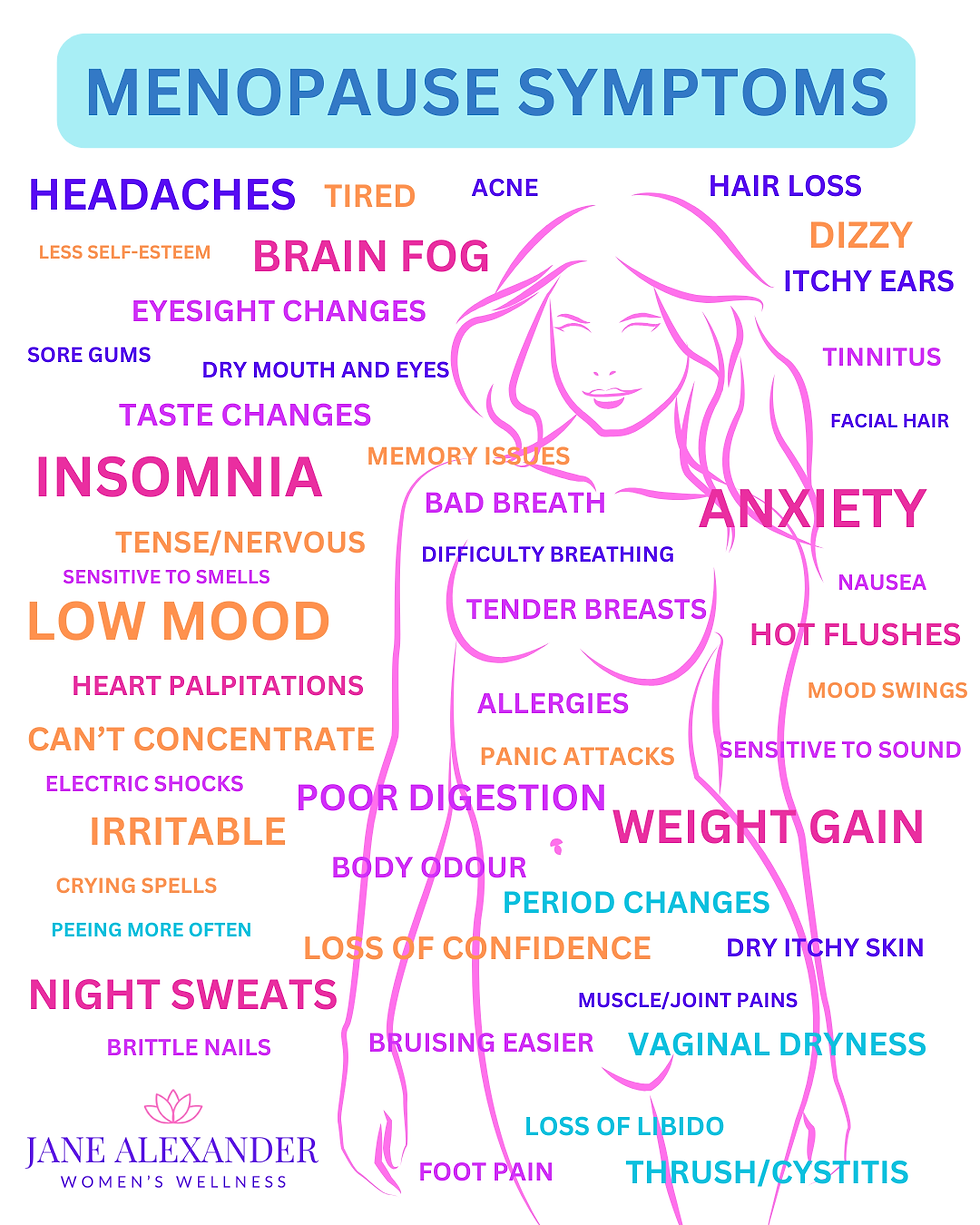
Common symptoms include:
Irregular periods
Hot flushes
Night sweats
Anxiety
Low mood
Brain fog
Memory problems
Poor concentration
Sleep disturbances
Fatigue
Joint aches and pains
Reduced libido
Vaginal dryness
For some women, symptoms are mild. For others, they can have a significant impact on relationships, work, confidence and quality of life.
How is Perimenopause Diagnosed on the NHS?
One of the biggest misconceptions about perimenopause is that a blood test is required to confirm it.
In reality, NICE guidance recommends that women aged 45 and over should usually be diagnosed based on their symptoms and menstrual history alone.
This means that if you're over 45 and experiencing symptoms such as irregular periods, hot flushes, night sweats or other menopausal symptoms, your GP can diagnose perimenopause without carrying out hormone testing.
The diagnosis is largely based on:
Your age
Changes to your menstrual cycle
The symptoms you're experiencing
Your medical history
This symptom-based approach is important because hormone levels fluctuate dramatically during perimenopause and blood test results can often be misleading.
Do I Need a Blood Test for Perimenopause?
It depends.
According to NICE guidance, FSH (follicle stimulating hormone) blood tests are generally not recommended for women aged over 45 because hormone levels can vary significantly from day to day.
However, blood tests may be considered if:
You are under 45 and experiencing menopausal symptoms
You are under 40 and premature menopause is suspected
Your GP wants to rule out another condition with similar symptoms
Your GP may also arrange tests to exclude other possible causes of your symptoms, such as thyroid problems, iron deficiency or vitamin deficiencies.
If you've been told that your blood tests are "normal", this does not automatically mean you are not perimenopausal.
I created this FREE Menopause Health Guide to give you a head start with your menopause health.

How to Prepare for Your GP Appointment
A little preparation can make a huge difference.
Before your appointment:
Track Your Symptoms
Keep a record of:
Changes to your periods
Sleep issues
Mood changes
Hot flushes
Anxiety
Brain fog
Energy levels
The more information you can provide, the easier it will be for your GP to identify patterns.
Consider the Impact
Think about how your symptoms are affecting:
Work
Relationships
Confidence
Sleep
Daily activities
Many women unintentionally downplay their symptoms. Being honest about their impact helps your GP understand the full picture.
Write Down Questions
Appointments can feel rushed.
Having a written list of questions can help ensure you leave with the information you need.

What Should Happen During Your GP Appointment?
Your GP should ask about:
Your symptoms
Menstrual history
General health
Current medications
Family history
Lifestyle factors
They may discuss possible treatment options and whether further investigations are needed.
If perimenopause appears to be the most likely explanation for your symptoms, your GP may suggest treatment without waiting for blood tests.
What Do the NICE Menopause Guidelines Say?
NICE (The National Institute for Health and Care Excellence) produces evidence-based guidance that NHS healthcare professionals are expected to follow.
Key recommendations include:
Diagnosis Should Be Symptom-Based
Women aged 45 and over with menopausal symptoms can usually be diagnosed without hormone testing.
Women Should Receive Clear Information
Healthcare professionals should explain:
The stages of menopause
Common symptoms
Treatment options
Benefits and risks of treatment
Self-management strategies
HRT is a First-Line Treatment
Hormone Replacement Therapy (HRT) is recommended as an effective treatment for symptoms such as:
Hot flushes
Night sweats
Sleep disruption
Some mood-related symptoms
Your healthcare professional should discuss both the benefits and risks so that you can make an informed decision.
Menopause-Specific CBT May Help
Menopause-specific Cognitive Behavioural Therapy (CBT) may be helpful for managing symptoms, particularly:
Sleep difficulties
Anxiety
Low mood
It may be used alongside HRT or as an option for women who cannot or do not wish to use hormonal treatment.
Vaginal Oestrogen Should Be Available
Women experiencing vaginal dryness, discomfort during sex, bladder symptoms or recurrent urinary tract infections may benefit from vaginal oestrogen.
Testosterone May Be Considered
For women experiencing low sexual desire despite adequate HRT, testosterone may be considered after discussion with a healthcare professional.

Can I Get HRT on the NHS?
Yes.
HRT is available on a specific NHS HRT prescription (£19.80 a year, price correct as at August 2026) and is recommended for many women experiencing menopausal symptoms.
There are now many different forms available, including:
Oestrogen patches
Oestrogen gels
Oestrogen sprays
Progesterone capsules
Hormonal coils
Combined HRT preparations
The most appropriate option will depend on your symptoms, medical history and personal preferences.
Finding the right HRT regimen can sometimes take time and adjustments may be needed before symptoms improve fully.
Can My GP Refuse HRT?
This is one of the most common concerns women have.
NHS care should be based on shared decision making.
This means you and your healthcare professional should discuss:
Your symptoms
Available treatment options
Benefits and risks
Your personal preferences
There may be situations where certain forms of HRT are not appropriate due to medical reasons.
However, if you feel your concerns have been dismissed or you have not been given adequate information about your options, you are entitled to request a second opinion.

Women's Health Hubs, Menopause and Employability Services
Women's Health Hubs are being developed across England to improve access to women's healthcare services and create a more joined-up approach to care.
Depending on where you live, these services may offer support with:
Menopause
Contraception
Gynaecological health
Menstrual problems
Sexual health
Long-term women's health conditions
Availability varies between regions, so it's worth asking your GP whether there is a Women's Health Hub or specialist women's health service in your area.
Alongside healthcare services, some women may also be able to access practical support through government-funded employment programmes such as WorkWell.
Many women find that menopause symptoms affect their confidence, concentration, energy levels and ability to work. Some reduce their hours, take sickness absence or even consider leaving employment altogether before receiving appropriate support.
WorkWell is designed to help people with health-related barriers remain in work, return to work or avoid leaving work due to health challenges. Depending on local availability and eligibility, support may include health coaching, workplace adjustments, wellbeing support and signposting to specialist services.
This approach reflects the government's wider Women's Health Strategy, which recognises that improving menopause support isn't just about managing symptoms, it's also about helping women maintain their financial independence, career progression and overall quality of life.
If menopause symptoms are affecting your ability to work, it's worth asking your GP, employer, Jobcentre Plus adviser or local authority whether there are any WorkWell or similar employment support programmes available in your area.
What If My GP Doesn't Take Me Seriously?
Many women still report feeling dismissed when seeking help for menopausal symptoms.
If this happens:
Be Persistent
Bring a symptom diary and explain clearly how symptoms are affecting your life.
Ask Questions
You can ask how your symptoms fit with current NICE guidance.
Request a Second Opinion
If you feel your concerns have not been adequately addressed, you can ask to see another GP within the practice.
Ask About Specialist Services
Depending on your circumstances, referral to a menopause specialist or Women's Health Hub may be appropriate.

Common Menopause challenges women face
"My Blood Tests Were Normal"
Normal blood tests do not rule out perimenopause.
Diagnosis should be based on symptoms and menstrual history, particularly in women over 45.
"I've Been Told It's Just Stress"
Stress and perimenopause can look very similar. In fact, many women experience both at the same time.
It's important that healthcare professionals consider all possible causes rather than assuming symptoms are purely psychological.
"I Can't Access a Menopause Specialist"
Specialist NHS services can have long waiting times in some areas.
If specialist input is needed, discuss referral options with your GP and ask about local Women's Health Hub services.
Frequently Asked Questions
What age does perimenopause usually start?
Most women begin experiencing perimenopause during their early to mid-40s, although it can occur earlier or later.
Can I get HRT on the NHS?
Yes. HRT is widely available on an NHS prescription (there is a specific HRT prescription available at £19.80 a year, price correct as at August 2026) and can be prescribed by your GP.
Do I need a blood test for perimenopause?
Usually not if you are over 45. Diagnosis is generally based on symptoms and menstrual history.
Can my GP refuse to prescribe HRT?
Your GP should discuss treatment options with you as part of shared decision making. If you are unhappy with the support offered, you can request a second opinion.
Can I ask to see a menopause specialist?
Yes. In some situations, referral to a menopause specialist or Women's Health Hub may be appropriate.
Final Thoughts
Perimenopause can be confusing, frustrating and, at times, incredibly isolating.
Understanding how diagnosis and treatment should work within the NHS can help you feel more confident when seeking support.
You know your body better than anyone else. If something doesn't feel right, keep asking questions, keep advocating for yourself and don't be afraid to seek further support.
Need Additional Support?
Many women tell me they leave GP appointments feeling overwhelmed, confused or unsure about their options.
As a Menopause Wellness Practitioner, I help women understand their symptoms, prepare for NHS appointments, make sense of treatment options and develop practical strategies to feel more like themselves again.
If you're considering HRT, looking for non-hormonal approaches or simply trying to understand what's happening to your body, support is available.
Menopause Resources
If you're looking for more detailed information on navigating perimenopause and getting the most out of the NHS, here are some helpful guides and tools that align with your next steps:
NICE Guidelines on Menopause
Read the full guidelines here to understand the NHS’s approach to diagnosing and managing perimenopause and menopause.
NHS Menopause Overview
Visit the NHS menopause page for a basic overview, including when to seek help and treatment options available.
Symptom Tracker Tool
Use the Balance Menopause app with symptom tracker to monitor your symptoms over time and share the data with your GP.
British Menopause Society Resources
Explore the British Menopause Society’s resources for additional support.


DISCLAIMER: This page does not provide medical advice; it is intended for informational purposes only. It is not a substitute for professional medical advice, diagnosis or treatment. Always seek professional medical advice on any of the topics covered on this page.


Comments