
Perimenopause and Heavy Periods

Updated: Oct 15

Heavy bleeding during perimenopause can be exhausting, disruptive and difficult to predict.
Your periods might suddenly become much heavier, last longer than usual or arrive more frequently, leaving you wondering what's happening to your body.
Hormonal changes during perimenopause can affect your menstrual cycle, but they're not the only possible cause of heavy bleeding.
It's important to understand what might be happening, know when to seek medical advice and be aware of the treatments available.
In this guide, I'll explain why heavy bleeding can occur during perimenopause, what to look out for and how to prepare for a conversation with your GP.
(I've also created this FREE Menopause Health Guide to give you a head start with your menopause health)

Contents
What to do about heavy bleeding during Perimenopause
Perimenopause and Menopause Explained
So, what's the difference between perimenopause and menopause?
Perimenopause is the stage leading up to menopause, when hormonal changes can cause a range of symptoms, including changes to your menstrual cycle.
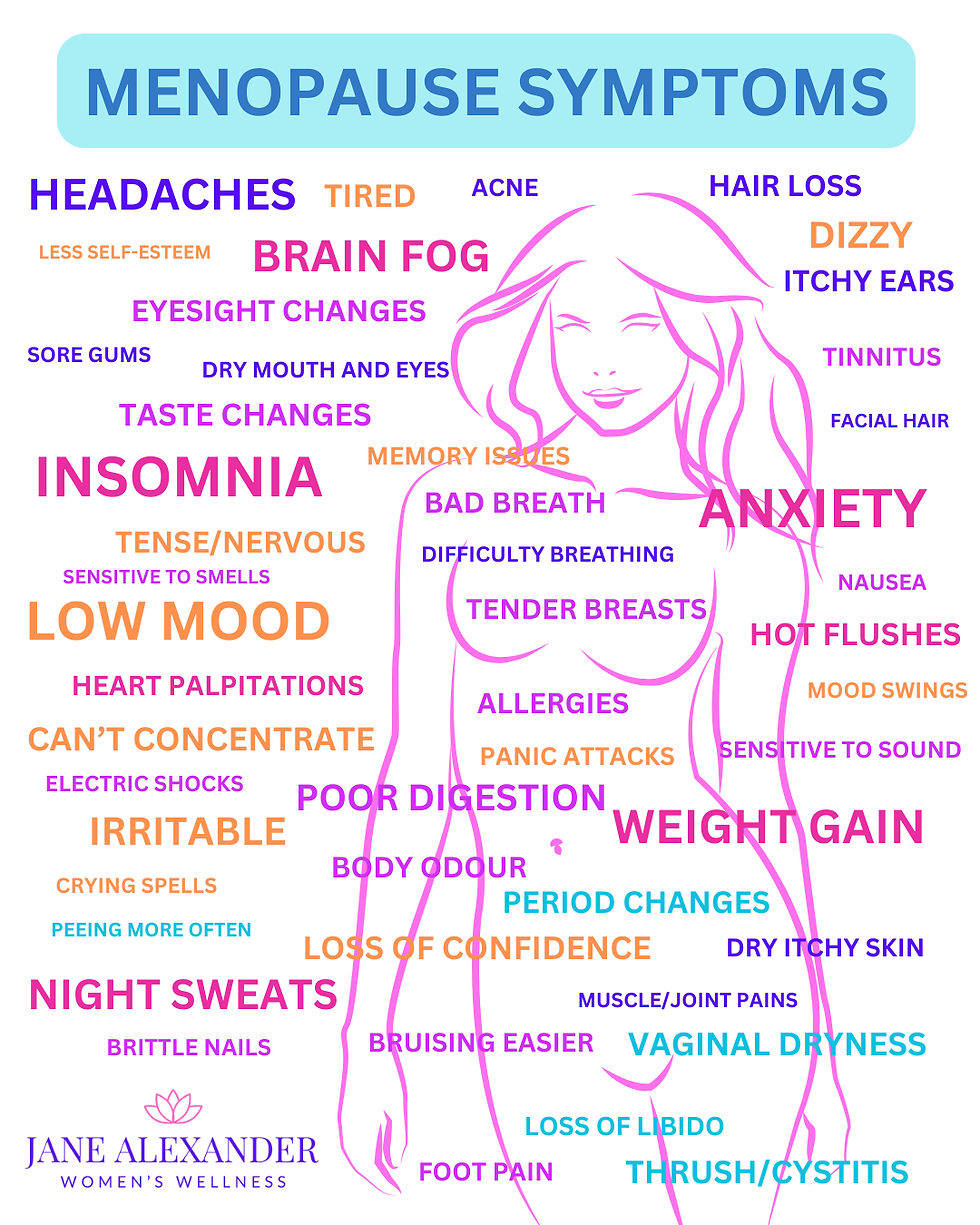
Your periods might become irregular, arrive more frequently or further apart, or become heavier or lighter than you're used to. You might also notice other symptoms, such as hot flushes, sleep problems, mood changes or brain fog.
Menopause is reached when you've gone 12 consecutive months without a period, provided you're not using hormonal contraception or another treatment that affects your bleeding pattern.
In the UK, the average age of menopause is 51.
For this article, we're focusing on perimenopause, when changes to your menstrual cycle can be particularly noticeable, including heavy bleeding that you might not have experienced before.
What is ‘heavy’ bleeding in perimenopause?
Heavy periods are known medically as heavy menstrual bleeding. You might also hear the term menorrhagia.
There isn't one single measure of what counts as a heavy period.
What's important is how much you bleed, how long your bleeding lasts and how much it affects your everyday life.
According to the NHS, signs of heavy periods include:
need to change your pad or tampon every 1 to 2 hours or empty your menstrual cup more often than is recommended
need to use 2 types of sanitary product together, such as a pad and a tampon
have periods lasting more than 7 days
pass blood clots larger than about 2.5cm (the size of a 10p coin)
bleed through to your clothes or bedding
avoid daily activities, like exercise, or take time off work because of your periods
feel tired or short of breath a lot
You might experience one or several of these symptoms.
If your periods have become noticeably heavier, or the bleeding is affecting your quality of life, it's worth speaking to your GP rather than assuming it's simply part of perimenopause.
Why am I experiencing perimenopause and heavy periods?
During perimenopause, ovulation becomes less predictable. This means the usual pattern of oestrogen and progesterone production can become disrupted, and this can affect how the lining of the womb builds up and sheds.
As a result, your periods may become heavier, longer, closer together, further apart or sometimes unexpectedly light.
But hormonal changes aren't the only possible explanation for heavy bleeding.
Fibroids, polyps, adenomyosis, endometriosis and other conditions can also cause heavy menstrual bleeding, which is why it's important not to automatically assume everything is perimenopause.
What to do about heavy bleeding during perimenopause
If you're experiencing heavy bleeding during perimenopause, there are practical steps you can take to understand what's happening and get the right support.
Here's where to start.
Track Your Cycle
Tracking your menstrual cycle can help you spot changes in your bleeding patterns and give your GP useful information when discussing your symptoms.
If your periods have become heavier, longer or less predictable during perimenopause, keeping a record can help you explain exactly what's changed.
Some useful things to track include:
The start and end dates of your period.
How heavy your bleeding is and how frequently you need to change period products.
Whether you're passing blood clots.
Any pain or other symptoms you experience.
Any bleeding between periods or after sex.
How the bleeding affects your sleep, work and everyday activities.
I highly recommend Dr Louise Newson’s Balance app for tracking your cycle.

Balance is a free app that has an in-built period tracker and it also allows you to log perimenopausal and menopausal symptoms.
Taking your notes to your GP appointment can help you explain what's been happening and make the most of your time together. If your bleeding is worrying you, don't delay seeking medical advice while you track it.
Why not also read my blog 'Using Technology for Women's Health'?

See your Doctor
If you're experiencing heavy bleeding during perimenopause, it's important to discuss it with your GP, particularly if it's a new change, it's getting worse or it's affecting your everyday life.
Although hormonal changes can cause your periods to change during perimenopause, there are other possible causes of heavy bleeding that may need investigation.
Your GP can:
Ask about your bleeding pattern, menstrual history and other symptoms.
Review your medical history and any medication you're taking.
Arrange a full blood count to check for anaemia.
Consider whether you need further investigations, such as an ultrasound scan or hysteroscopy.
Discuss appropriate treatment options based on your symptoms and circumstances.
Other possible causes of heavy menstrual bleeding include:
Fibroids and polyps: growths in or around the womb that can contribute to bleeding.
Adenomyosis and endometriosis: conditions that can cause menstrual symptoms, including heavy bleeding.
Hormonal or ovulation-related problems: which can affect how the lining of the womb builds up and sheds.
Other medical conditions: including some thyroid disorders and bleeding disorders.
Sometimes, further investigation is needed to rule out more serious causes, including abnormalities of the lining of the womb.
The National Institute for Health and Care Excellence (NICE) provides guidance for healthcare professionals on assessing and managing heavy menstrual bleeding. You can read the NICE guidance on heavy menstrual bleeding.
Don't assume that heavy bleeding is simply part of perimenopause.
If your bleeding has changed significantly, seek medical advice rather than waiting for it to settle on its own.
When to seek urgent help: If you're bleeding very heavily and feel faint, dizzy, unusually weak or short of breath, seek urgent medical advice.
If the bleeding is severe or you feel seriously unwell, seek emergency care. Any bleeding after menopause (even light spotting after 12 months without periods) should also be assessed promptly by a healthcare professional.
What treatment options are available for heavy periods?
Depending on the cause of your bleeding, your age, medical history and whether you want contraception, your GP or specialist may discuss several treatment options.
These can include:
a hormonal coil (Mirena or another levonorgestrel-releasing intrauterine system): this releases a progestogen into the womb and can significantly reduce menstrual bleeding. Some women find that their periods stop altogether.
tranexamic acid: a non-hormonal medicine that helps reduce blood loss during your period.
anti-inflammatory medicines such as naproxen: these can help reduce menstrual bleeding and relieve period pain for some women.
hormonal contraception: certain contraceptive pills can help regulate your cycle and reduce bleeding.
Progestogen treatment: depending on your circumstances, your doctor may recommend a progestogen to help manage bleeding.
in rare circumstances, surgical treatments
If an underlying condition, such as fibroids, is contributing to your heavy bleeding, further treatment may be appropriate.
The important thing is knowing that you have options and that heavy periods don't simply have to be endured.
Iron deficiency and Anaemia
Heavy menstrual bleeding can contribute to iron deficiency and anaemia, particularly if the bleeding is persistent.
Symptoms may include fatigue, weakness, dizziness and breathlessness.
Your GP may arrange a blood test to check for anaemia and advise whether iron treatment is appropriate. If you're diagnosed with iron deficiency, follow your healthcare professional's advice about the most suitable treatment rather than assuming that a supplement is necessary.
What about HRT (Hormone Replacement Therapy)?
Hormone replacement therapy (HRT) can be very helpful for managing symptoms of perimenopause and menopause, but it isn't a straightforward treatment for heavy menstrual bleeding.
Some HRT preparations can cause irregular bleeding, particularly when treatment is started or changed.
If you're considering HRT and experiencing heavy bleeding, discuss both with your healthcare professional so they can assess the bleeding and help you choose an appropriate treatment.
Here, Dr Louise Newson, the GP and Menopause Specialist, gives a comprehensive explanation of bleeding during perimenopause, the causes and the different treatment options.
Further support
Heavy bleeding during perimenopause can be disruptive, exhausting and difficult to manage, particularly when your periods become unpredictable.
Although hormonal changes can affect your menstrual cycle, heavy bleeding isn't always caused by perimenopause, so it's important to get significant changes checked by your GP.
In the meantime, tracking your bleeding patterns can help you explain your symptoms and prepare for your appointment.
Most importantly, you don't have to accept heavy periods as something you simply have to endure.
There are treatments available, and the right support can help you find an approach that works for you.
My own experience of debilitating perimenopause symptoms led me to re-train as a Menopause Wellness Practitioner and Coach.
I pride myself on offering personalised, compassionate support personalised to your unique needs.


DISCLAIMER: This page does not provide medical advice; it is intended for informational purposes only. It is not a substitute for professional medical advice, diagnosis or treatment. Always seek professional medical advice on any of the topics or products covered on this page.


Comments